

Learn the top apprenticeship application mistakes to avoid in 2026, from weak CVs to poor interview preparation, and find out how to stand out to employers in a competitive job market.
Top Apprenticeship Application Mistakes to Avoid in 2026
If you’re applying for an apprenticeship in the UK, you’re already making a smart move. Apprenticeships offer real work experience, recognised qualifications, and a clear pathway into a long-term career.
But here’s the reality… competition is growing.
Every role can attract dozens, sometimes hundreds of applicants. The difference between getting an interview and getting overlooked often comes down to a few key mistakes.
In this guide, we’ll break down the 5 most common apprenticeship application mistakes, and more importantly, how to avoid them.
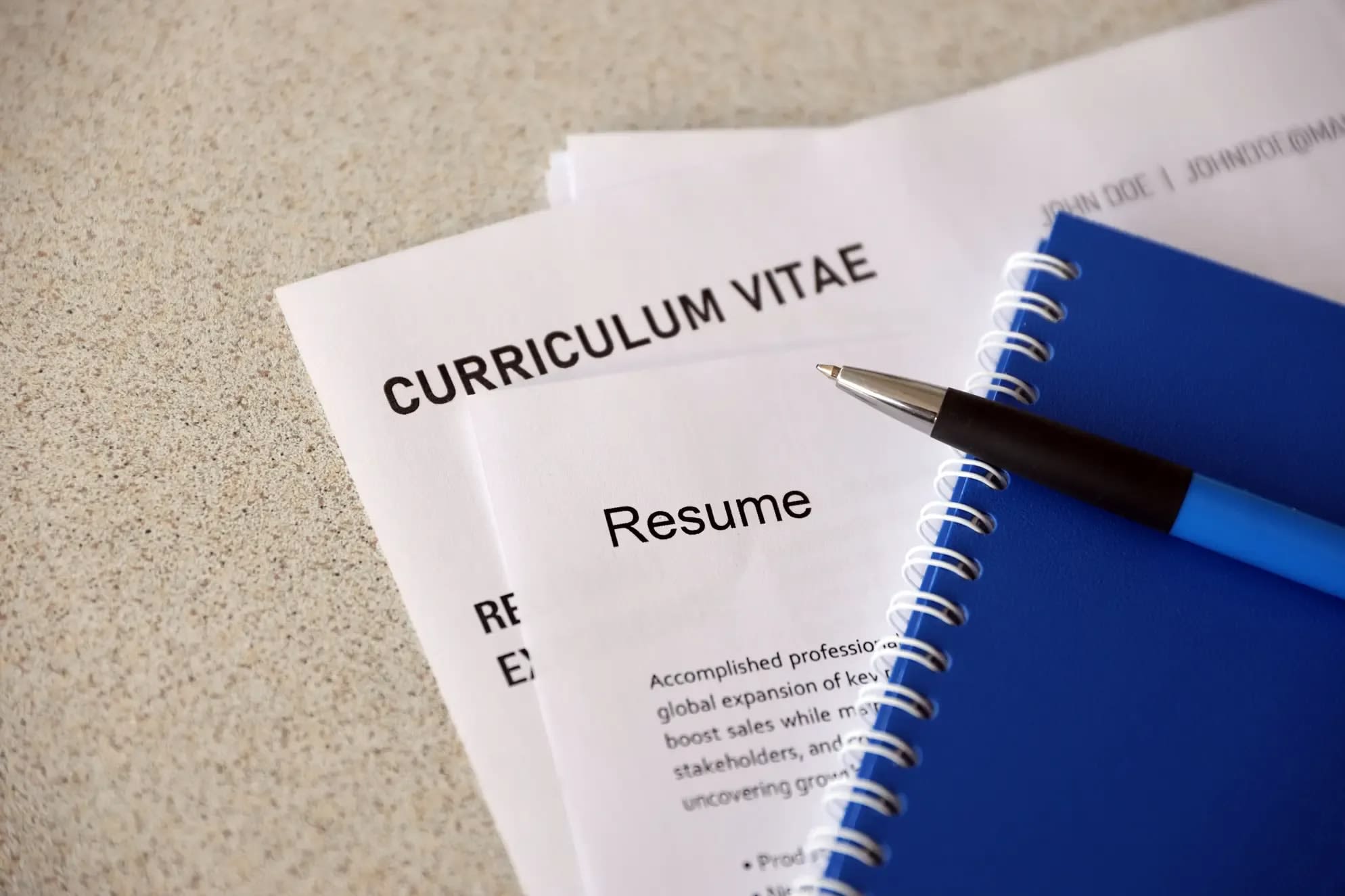
1. Submitting a Weak or Generic CV
One of the biggest mistakes candidates make is sending the same CV to every employer.
Employers can spot this instantly.
A CV that lacks detail, effort, or relevance suggests a lack of interest, even if that’s not the case.
What goes wrong:
- No personal profile or unclear career goals
- No mention of the apprenticeship role applied for
- Listing duties instead of achievements
- Spelling or formatting mistakes
How to fix it:
- Tailor your CV to the specific apprenticeship
- Include a short personal statement explaining your interest
- Highlight transferable skills like communication, teamwork, and organisation
- Keep it clear, concise, and professional
👉 Remember: your CV is your first impression. Make it count.

2. Not Preparing Properly for Interviews
Many candidates underestimate apprenticeship interviews, assuming they will be informal or easy.
In reality, employers are assessing your attitude, potential, and willingness to learn.
What goes wrong:
- Not practising answers
- Struggling to explain why you want the role
- Giving one-word or vague responses
- Lack of confidence or enthusiasm
How to fix it:
- Prepare answers to common questions like:
- Why do you want this apprenticeship?
- What are your career goals?
- Use real examples when possible
- Show enthusiasm and a willingness to learn
- Practise speaking clearly and confidently
👉 Employers are not expecting perfection, but they are looking for effort and preparation.
3. Not Researching the Employer
This is one of the quickest ways to lose an opportunity.
If you cannot explain what the company does or why you want to work there, it raises concerns about your motivation.
What goes wrong:
- Not knowing what the business does
- Confusing the company with another employer
- Giving generic answers like “I just want a job”
How to fix it:
- Visit the company’s website and social media
- Understand their services, values, and clients
- Be ready to explain why they stand out to you
👉 A little research can make a big difference.

4. Applying Without Understanding the Apprenticeship Role
Not all apprenticeships are the same.
Applying without fully understanding the role can lead to poor applications and mismatched expectations.
What goes wrong:
- Applying for multiple roles without reading descriptions
- Not understanding the qualification or training involved
- Being unclear about responsibilities
How to fix it:
- Carefully read the job description
- Understand what you will be doing day-to-day
- Check the qualification level and career progression
👉 The more aligned you are with the role, the stronger your application will be.
5. Not Demonstrating Soft Skills and Attitude
Employers hiring apprentices are not just looking for technical ability. They are looking for potential.
Your attitude, communication, and willingness to learn matter just as much as your qualifications.
What goes wrong:
- Focusing only on grades
- Not showing personality
- Lack of engagement during interviews
How to fix it:
- Show a positive attitude and eagerness to learn
- Give examples of teamwork, problem-solving, or responsibility
- Be yourself, but professional
👉 Skills can be taught. Attitude cannot.

Final Thoughts
Applying for an apprenticeship is not just about ticking boxes. It’s about showing employers that you are motivated, prepared, and ready to take the first step in your career.
Avoiding these common mistakes will immediately put you ahead of many other candidates.
With the right preparation, you can turn your application into a real opportunity.
Frequently Asked Questions
Start Your Apprenticeship Journey with Confidence
Looking for your first step into a successful career? At Solveway Apprenticeships, we support you from application through to completion, helping you build skills, confidence, and real workplace experience.


